Loading…

GDUSA Award Competition · 2026
Sports Design Awards
- 21
- Winners
- 19
- Firms
- 6
- Categories
Trends of 2026
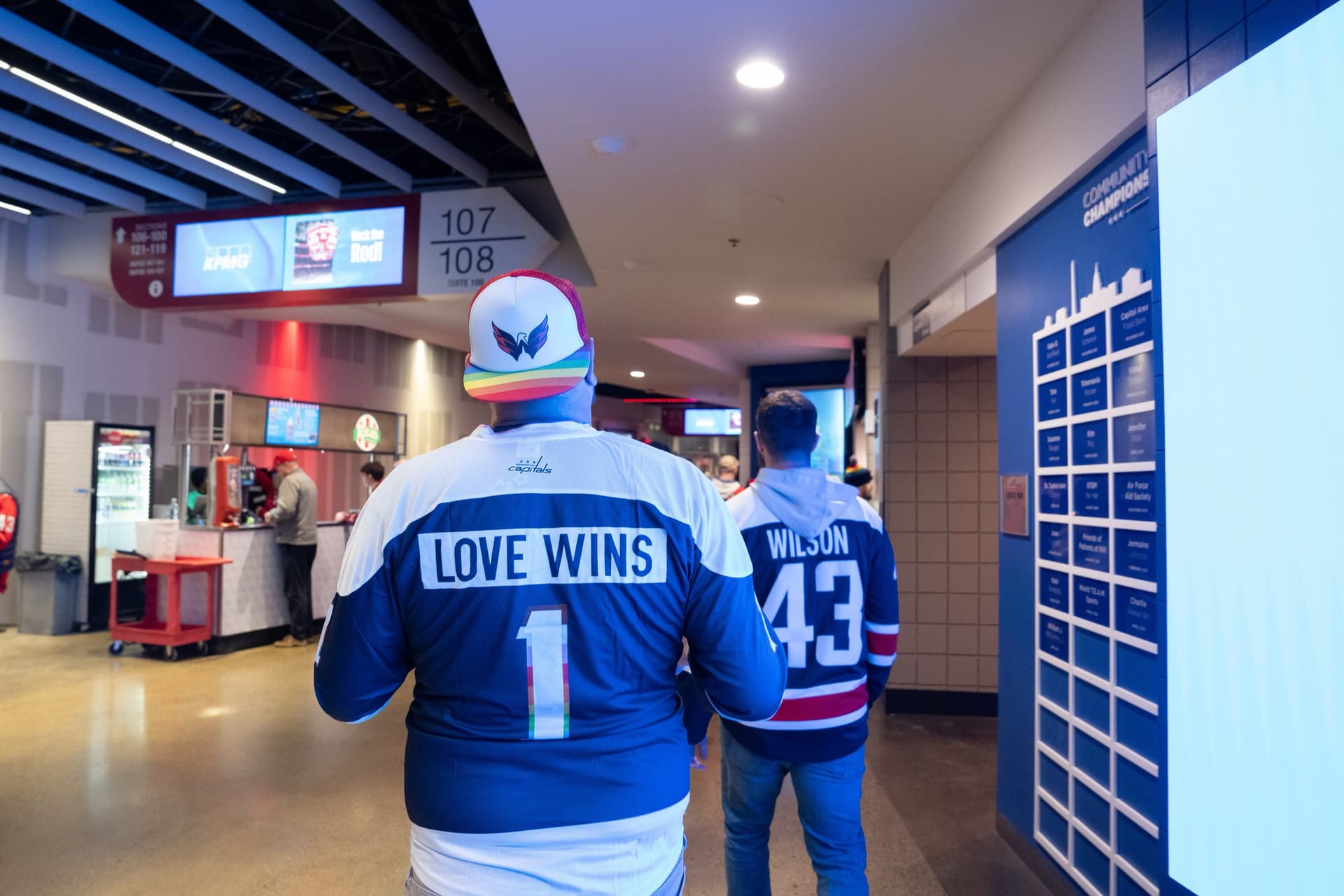
We at GDUSA love a good sporting event. New York City—GDUSA’s home for 63 years—is a place of storied fandom. We are immersed in a zeitgeist shaped by pinstripes, script New York on royal blue, seafoam over sleek black, and countless other visual identities that define the city’s sports culture. So when we began a soul-search to find the best examples of why designers remain indispensable in 2026, we needed to look no further than Barclays Center, less than half a mile down the street.
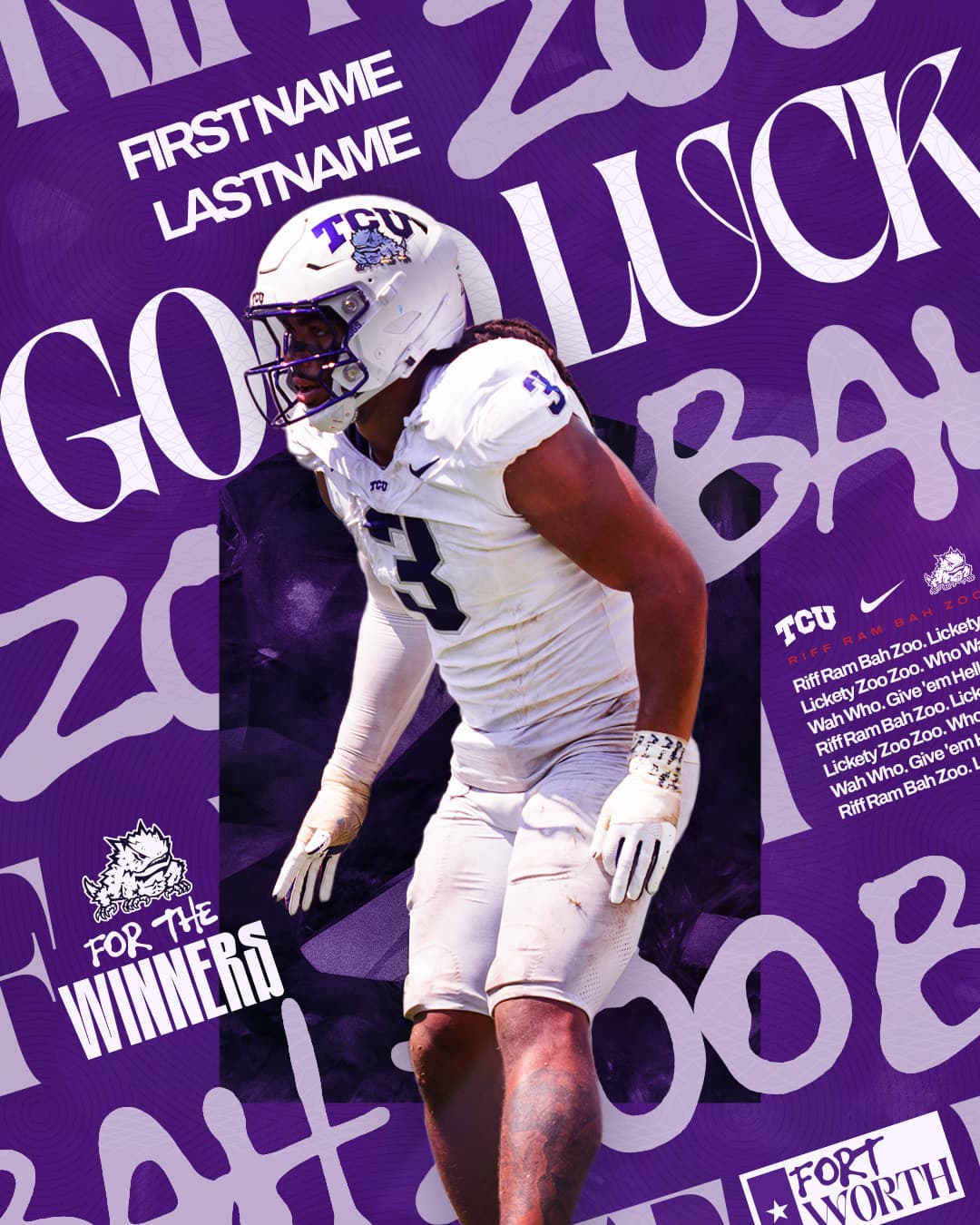
Building a sports brand is about far more than designing a jersey or selecting a color palette. A team’s culture lives in the stadium, on the merchandise, in the fan experience, throughout the surrounding community, and across the digital touchpoints that connect them all. And the sports industry itself extends far beyond professional teams and marquee events. It includes the games you watch on television, the apps where you follow scores and news—or perhaps betting lines—your favorite college, your local high school, and the sporting goods store down the road. Every corner of this sprawling industry is shaped by graphic design. Yet rarely do we hear from the talented designers responsible for translating a city, a team, a school, or a moment into a visual language.
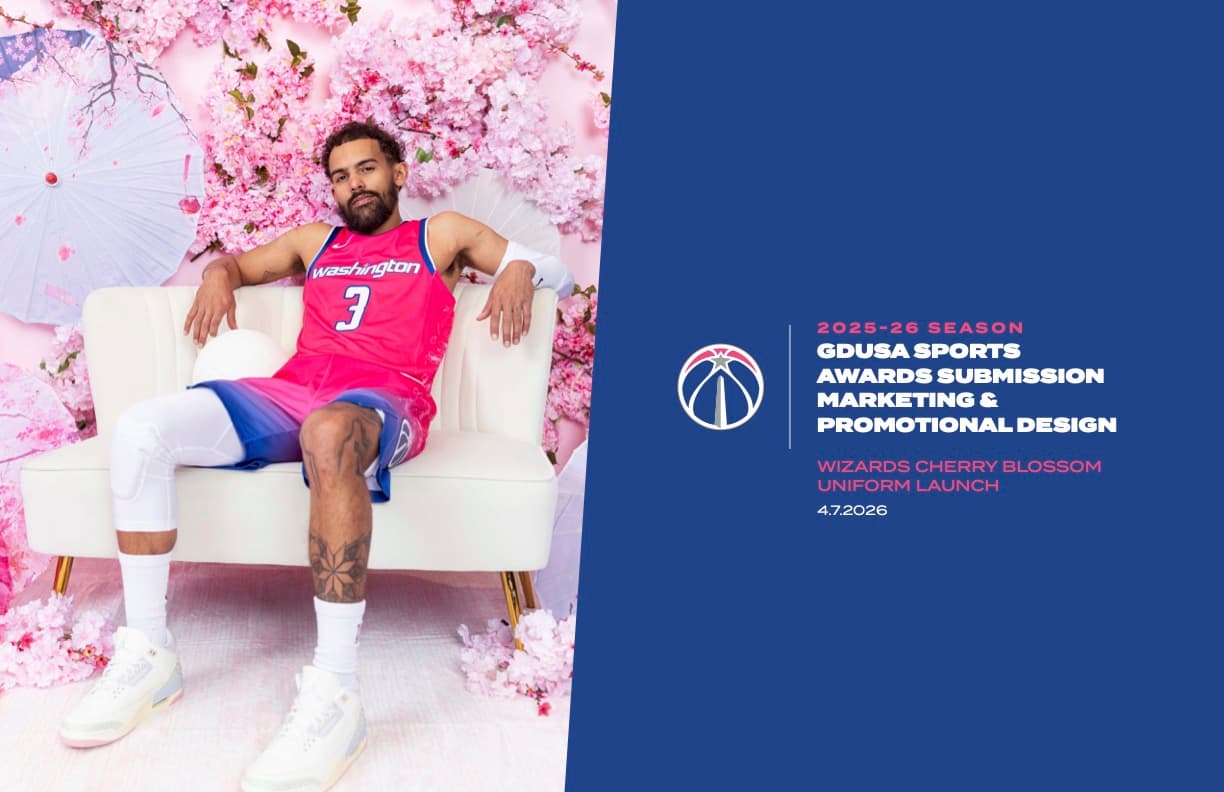
This year, GDUSA is giving sports designers the recognition they deserve. On this page and the pages that follow, you will find compelling evidence against the notion that AI will replace the designer. Designers may be assisted by AI, but the creative spark behind these celebrated works remains far beyond the capabilities of Firefly, Nano Banana, or any other generative tool. These designers capture the essence of a moment, the culture of a place, and the aspirations of the communities around them, transforming them into memorable and meaningful visual experiences.
GDUSA editorial · drafted with archive analytics, reviewed by editors