
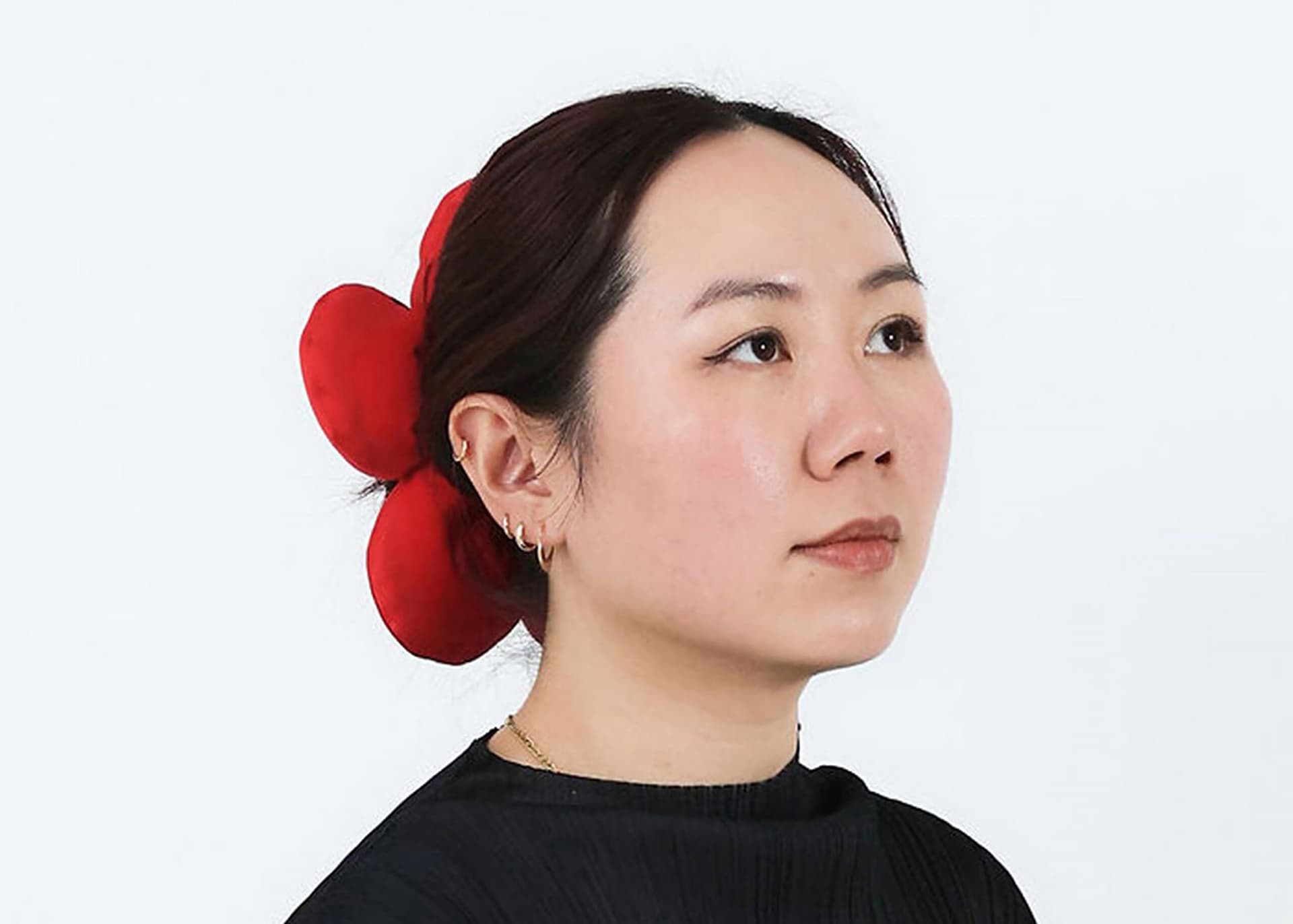
Mary Y. Yang is a designer and educator based in Boston MA. She is the co-founder of Radical Characters, an educational and curatorial platform that researches and explores graphic design, typography, and culture through Hanzi (Chinese characters). Yang is an Assistant Professor at Boston University, where she teaches in both the undergraduate and graduate Graphic Design programs. Her research and pedagogical approach examine how language can be used as a tool for multilingual exchange, co-building history, embodied learning, and cultivating spaces for collective knowledge. She is currently the 2025–2026 Artist-Writer-in-Residence at Johns Hopkins University’s University Writing Program.
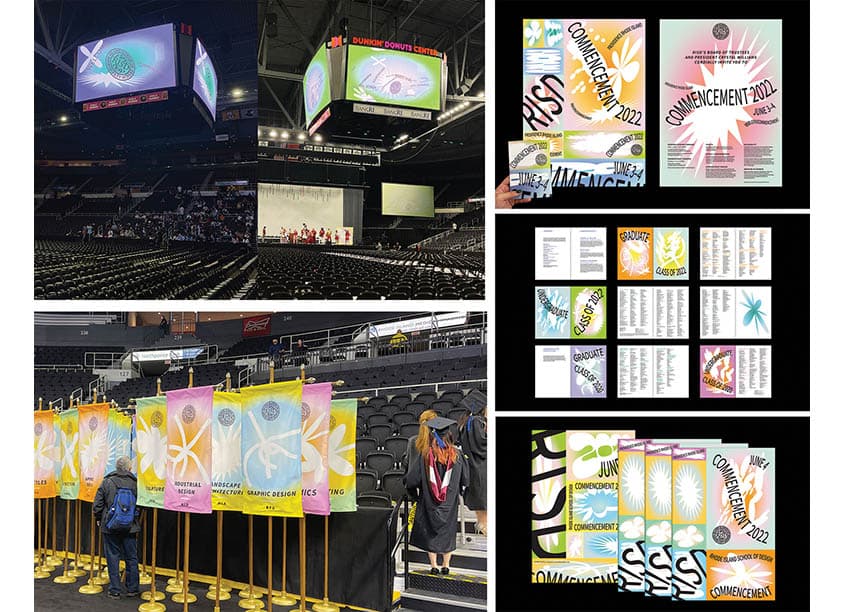
In addition to her role as an educator, Yang is the founder of Open Rehearsal, a design studio that collaborates with cultural and educational clients on research and projects spanning brand identities, exhibition graphics, book design, environmental graphics, and editorial design. Her work has been recognized by Communication Arts and featured in AIGA, PRINT Magazine, Society of Typographic Arts, Design360°, and Hyperallergic.
Yang holds an MFA in Graphic Design from the Rhode Island School of Design and a BFA in Communication Design from Washington University in St. Louis, Sam Fox School of Design & Visual Arts. She has taught at RISD and lectured at the University of Washington. Previously, she has worked on the graphic and brand design team at Victoria’s Secret PINK (NYC), the University of Washington Press (Seattle, WA) and Studio Blue (Chicago, IL).
Between now and 2030, which specific skills, technologies, or priorities will matter most in shaping the future of graphic design?
AI is transforming the design landscape, and I see it as a valuable tool for expanding creativity. However, it’s critical that designers stay grounded in their personal values and perspectives. As both a designer and educator, I prioritize self-awareness, critical thinking, and authenticity. In an increasingly homogenized visual world, designers must draw on lived and cultural experiences to develop a distinct voice — using technology to enhance creativity while staying connected to core values and shaping the future of the field in innovative and imaginative ways.
