
Krista Reeder is a creative leader driven by a belief that design can connect people, strengthen communities, and inspire everyday lives. For over 18 years, she has led multidisciplinary teams to develop visual communication and environmental design strategies for organizations around the world.
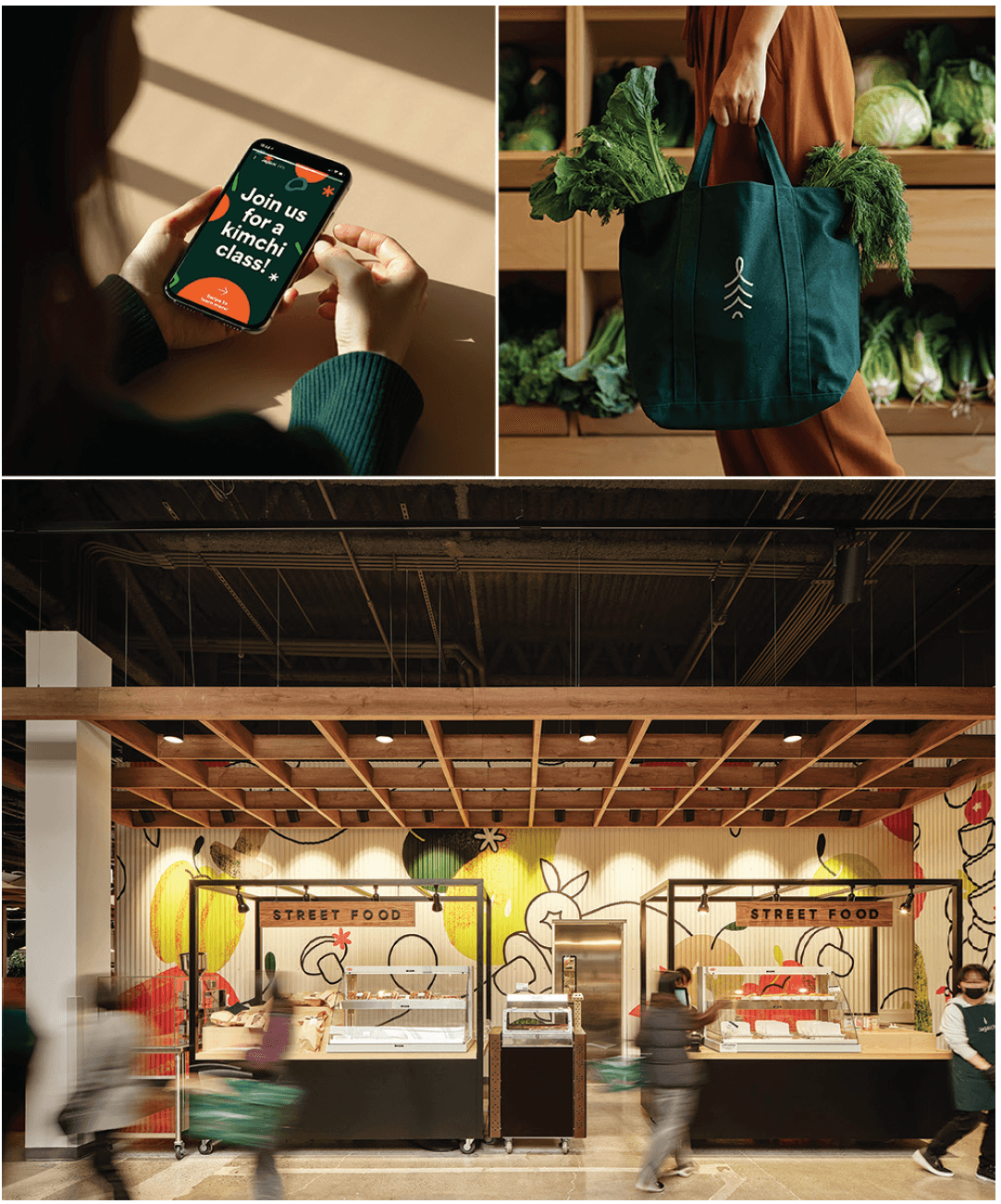
After studying Visual Communication Design at The Ohio State University, Krista honed her skills at Pentagram New York, where she contributed to award-winning work for cultural institutions including The Metropolitan Museum of Art, Museum of Arts and Design, The Barnes Foundation, Sotheby’s, and Miho Institute of Aesthetics in Japan. In 2012, her love of food and community sparked a shift—collaborating with Whole Foods Market on more than 30 stores across the U.S. to root each store in local culture through community engagement, strategic positioning, identity design, and placemaking. That work grew globally through partnerships with Shinsegae and Emart in South Korea, developing food retail concepts that celebrate connection over a shared love of food.
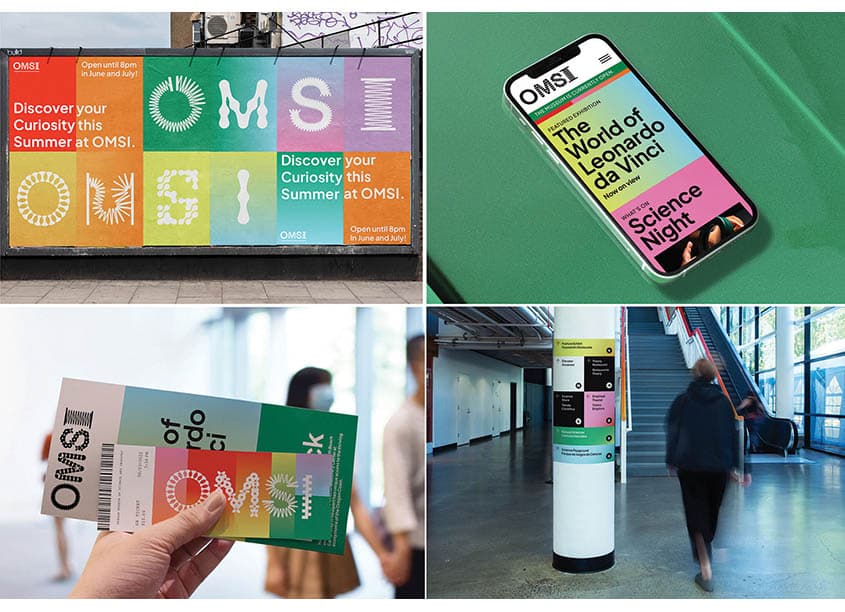
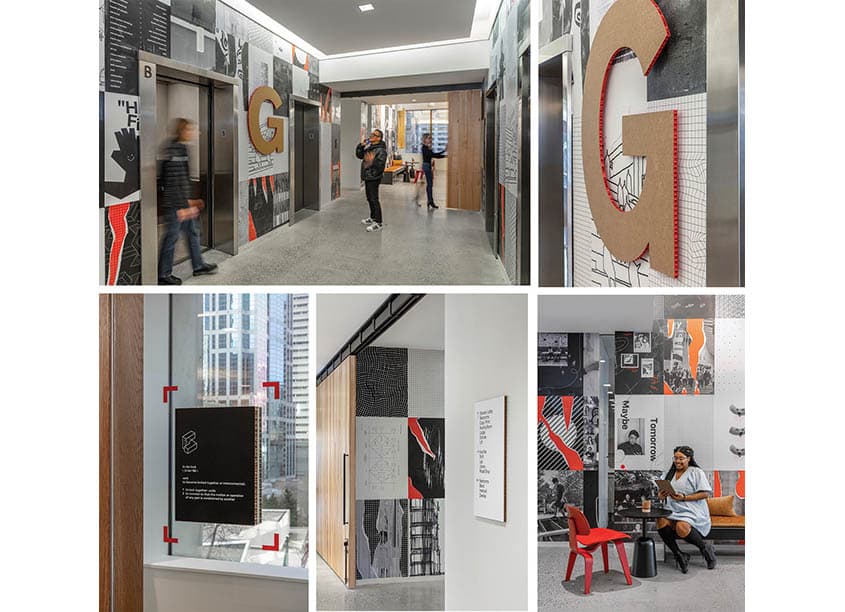
Today, as Design Director of Brand Experience at Gensler, Krista brings together diverse teams and stakeholders around stories that inspire change and build community. Her work translates purpose into tangible experiences — through strategic positioning, visual communication, identity design, placemaking, and wayfinding solutions that help organizations communicate meaningfully and authentically express who they are. Her portfolio spans industries—from educational, cultural, and civic institutions to retail, residential, hospitality, workplace, sciences, and sports. Her work has been recognized by and/or published in GDUSA, Fast Company, AIGA, SEGD, AIA, Interior Design, Architectural Record, Communication Arts, Print Magazine, Design Observer, and featured locally by The Seattle Times and Oregon Business Journal.
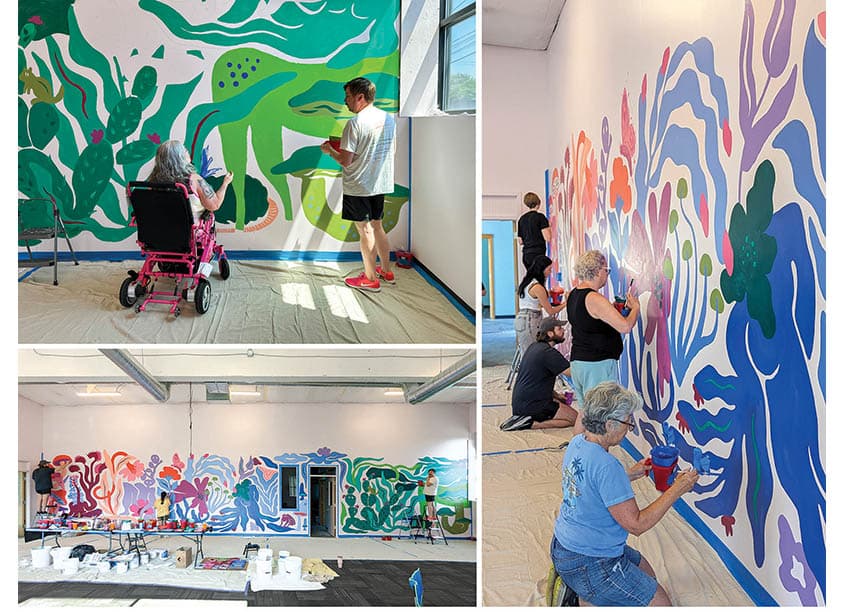
In 2021, SEGD named Krista a Branded Environment Vanguard for Color Speaks — a Gensler Seattle initiative that transformed boarded storefronts during the pandemic with bold color and uplifting messages, sparking a global movement of hope and resilience.