
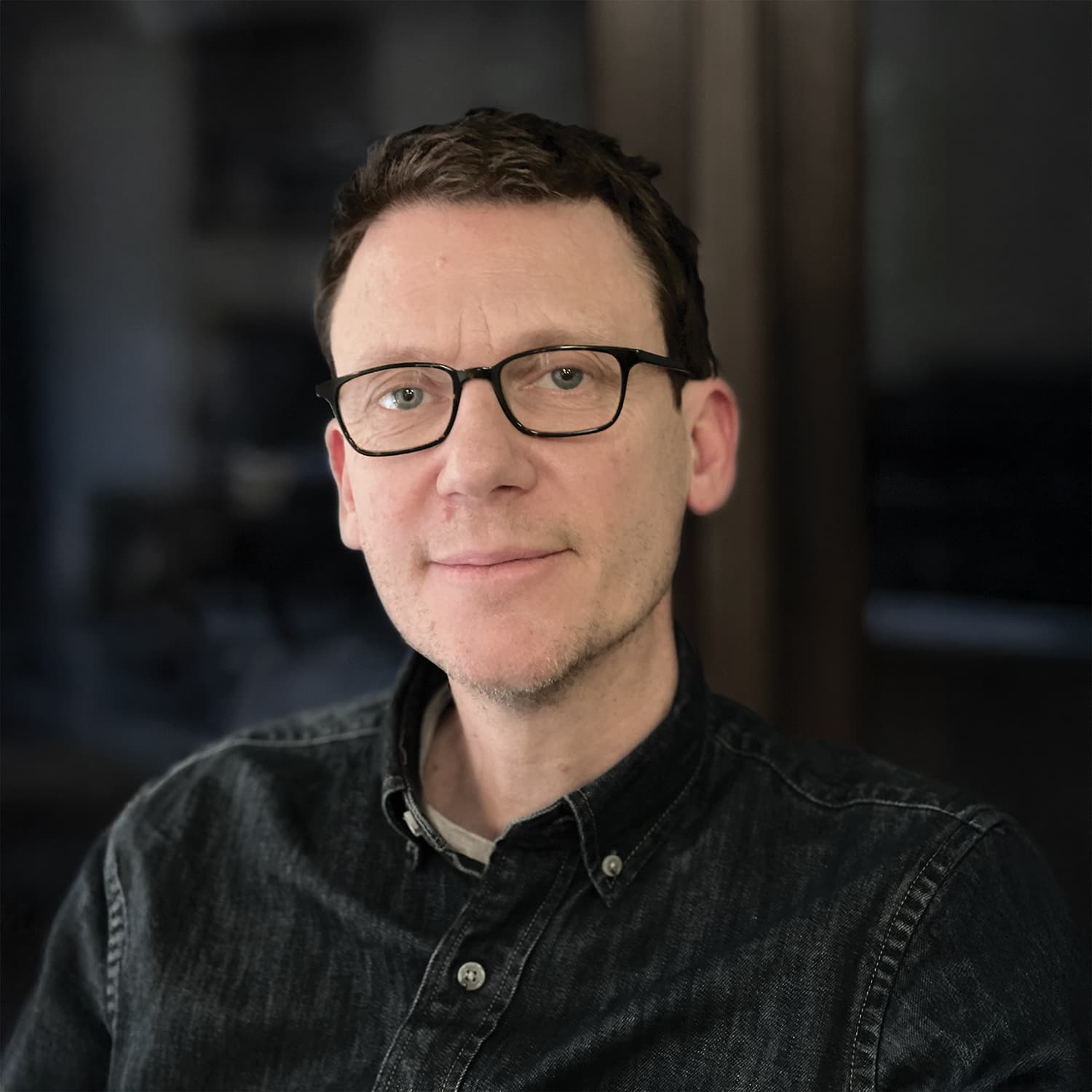
Craig’s experience includes high-profile projects as part of the creation of the National September 11 Memorial & Museum, the redevelopment of the World Trade Center and the ascension of NYU Langone Health. Craig executed these projects across all consumer touchpoints. He has spent the last 20 years creating, managing, and implementing brands in both Europe and the United States. His strategically focused work has touched audiences on many levels and in many forms, giving him invaluable insight into the wider applications of design and customer engagement. Craig’s skill at identifying and articulating the essence of a brand was built in key creative positions he previously held at Landor Associates, Addison, Interbrand, and Wolff Olins. His clients have included NYU Langone Health, The Braille Institute, Barclays, the BBC, the Central Park Conservancy, Citigroup, Inc., Microsoft, the Port Authority of New York and New Jersey, Sony Computer Entertainment Europe and the World Gold Council. His accolades include a Recognition of Excellence in Design from AIGA (American Institute of Graphic Arts), Good Design Awards, and a Gold Lion from the Cannes International Festival of Creativity. He holds a bachelor’s degree with honors in visual communication from Edinburgh College of Art in the United Kingdom. Craig served as an adjunct professor of graphic design at Parsons School of Design—The New School for several years, and considers himself to be a perpetual student.
Between now and 2030, which specific skills, technologies, or priorities will matter most in shaping the future of graphic design?
Curiosity has always been, and will remain, the defining skill for designers. Between now and 2030, tools, platforms, and technologies will keep shifting, but the real advantage will belong to those driven to explore, question, and experiment. As designers, we are trying to close the gap between what we can imagine and what we can make. Even in our most accomplished work, that gap never fully disappears. Curiosity is what pushes us to learn new skills, use new technologies so we can turn our ideas into reality.
